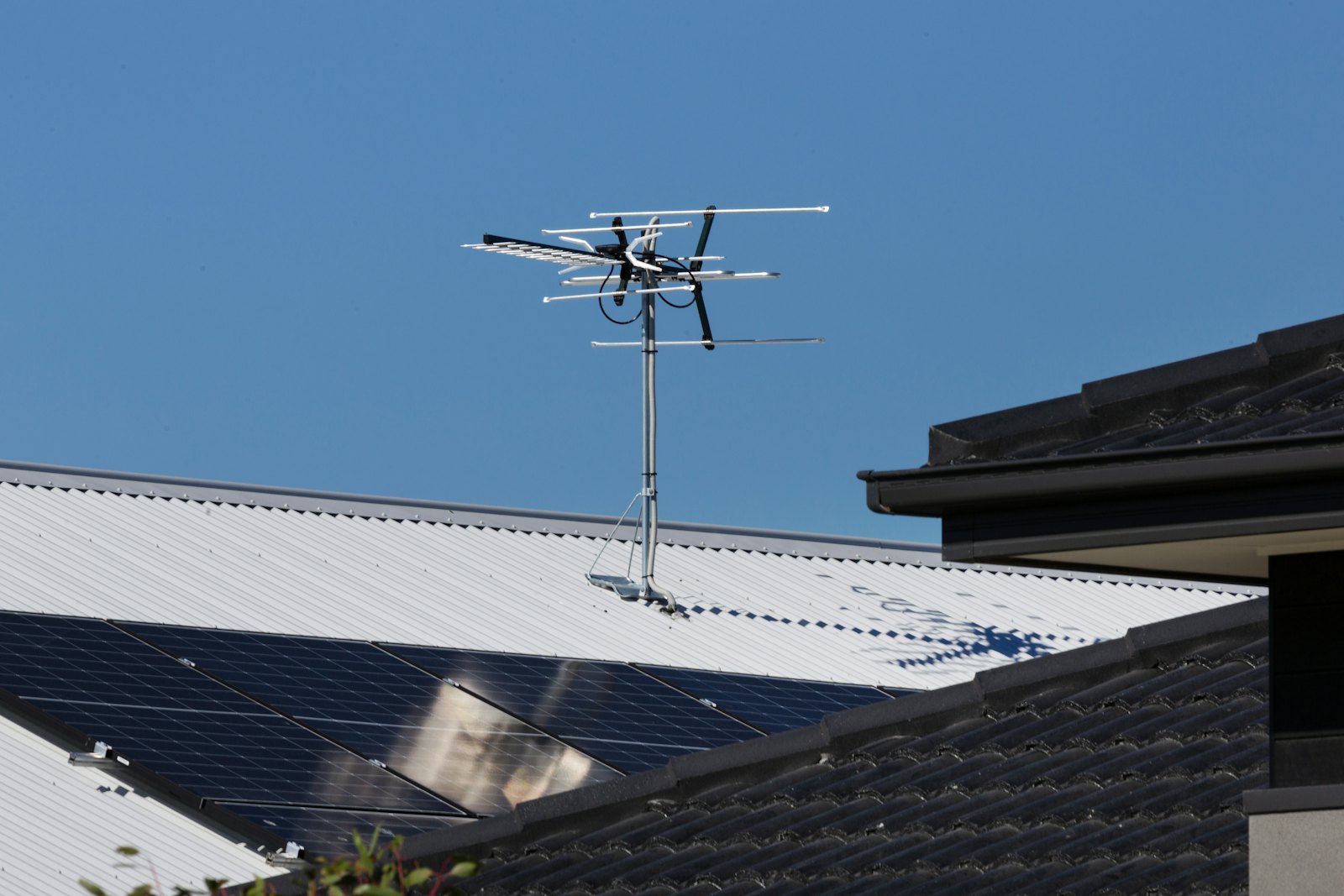
Real solar cost: gross vs net
Solar pricing is two different numbers. The gross install cost is what the contract says — typically $2.65–$3.05 per watt installed in 2026, so $18,500–$24,400 for a 7 kW system. The net cost is what you actually pay after the 30% federal credit and any state rebates: usually 35–50% less. Quotes that lead with the net number are doing you a favor on transparency; quotes that hide the math are usually a sales pitch.
The line items in your install
- Panels: $0.30–$0.45 per watt for mono, $0.25–$0.35 for poly. A 7 kW array is $2,100–$3,150 in panels.
- Inverter: String inverter ~$1,800; microinverters ~$2,700 (recommended for shaded or complex roofs).
- Mounting hardware (rails, flashings, attachments): $1,200–$1,800 for typical residential.
- Labor: Two-person crew, 1–2 days. $2,400–$4,800.
- Permits, interconnection and inspection: $400–$700.
- Sales / overhead / margin: 18–28% of gross. The single biggest line on most quotes.
Federal + state incentives
The federal Residential Clean Energy Credit (Section 25D) gives 30% of total install cost back as a tax credit through 2032. State incentives layer on top — New York's NY-Sun rebate adds ~$0.20/watt; Massachusetts SMART program pays performance incentives over 10 years; California's net billing tariff (NEM 3.0) is less generous than past versions but still valuable. Check the DSIRE database for current state incentives by ZIP.
Lease vs loan vs cash
Cash is best if you can. The 30% credit only applies to ownership — leases forfeit it. A solar loan at 6–8% interest still beats lease economics for most buyers since the tax credit covers nearly the first year of payments. PPAs (power purchase agreements) make sense in a narrow band: high electric rates, no tax appetite, plan to stay 10+ years.
How we calculate
The estimate above sizes the system from your monthly bill at average US residential rates (16.5¢/kWh, EIA April 2025), assumes 1,300 kWh/yr per kW of capacity (national average solar yield), and uses 2026 installer cost surveys for per-watt pricing. State rebate amounts come from DSIRE and current utility filings. The federal 30% credit is applied to gross cost. Real costs vary ±10% by installer, roof complexity and shading.
Frequently asked questions
How does the 30% federal solar tax credit work?
It's a non-refundable credit equal to 30% of total qualified install cost (panels, inverter, labor, permitting). You claim it on IRS Form 5695 the year the system is placed in service. If your tax liability is less than the credit, the unused portion rolls forward to future years. The 30% rate runs through 2032, then steps down.
Do solar panels actually pay for themselves?
In high-cost-electricity states (CA, MA, NY, NJ, HI), payback is typically 6–8 years. In low-cost states with no net metering (parts of TX, FL), it can stretch to 12–14. The 30% federal credit + state incentives cut payback by 3–4 years. Average system lifespan is 25–30 years, so payback is usually well within useful life.
What size system do I actually need?
Average US home uses about 10,800 kWh/year. A 7–8 kW system covers most of that in a sunny climate. Use your last 12 months of electric bills (in kWh, not dollars) to size accurately. Over-sizing past 110% of historical use rarely pays back since most utilities won't pay full retail for excess generation.
Mono vs poly panels — which should I get?
Monocrystalline. Polycrystalline panels are 4–6% less efficient and only 8–12% cheaper; mono wins on roofs where space matters. Poly is reasonable for ground-mount installs with unlimited space, but for residential, the per-watt math favors mono almost universally now.
Should I lease or buy?
Buy. Solar leases (PPAs) save you 5–10% on your monthly bill but you forfeit the 30% federal credit and they complicate selling the home. A cash purchase or solar loan keeps the tax credit and adds 4–6% to home value at sale. Leases make sense only if you have zero tax appetite and can't qualify for a loan.
Do I need batteries?
Only if your utility doesn't offer net metering or has high time-of-use rates. Battery storage adds $10,000–$15,000 to a residential install. The IRA gives 30% on storage too, but the payback math is still 10+ years in most markets. Get the panels first; add storage later if rates change.