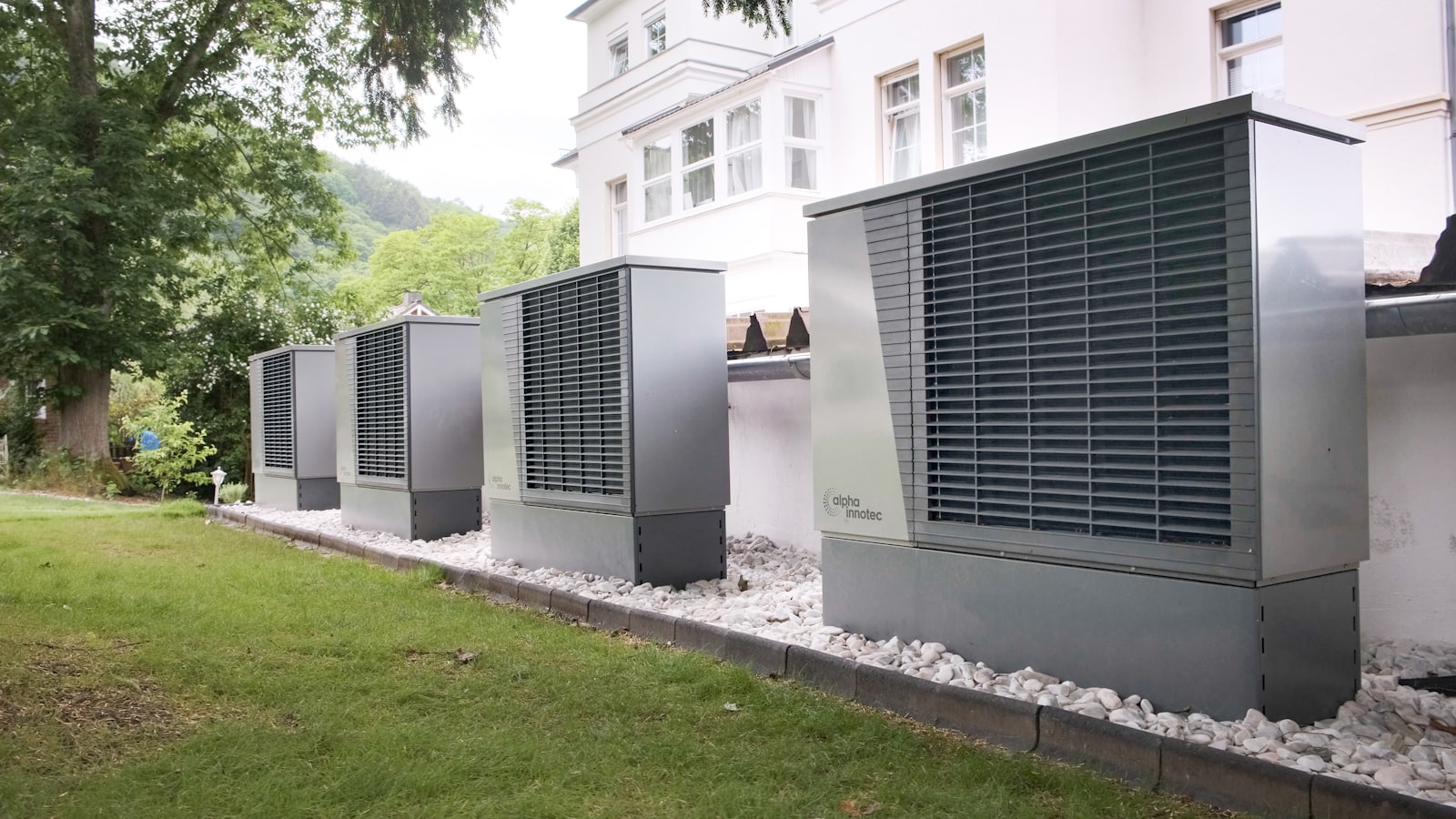
The heat pump market in 2026 is a tax-credit-driven boom. The Inflation Reduction Act's 30% credit and the HEEHRA point-of-sale rebates have pushed install volume up 40% since 2023. The good news: more contractors with heat pump expertise, more competitive pricing, more choice. The complicated news: pricing now varies wildly by contractor depending on whether they treat heat pumps as a "premium upgrade" or a default.
The 2026 cost picture
- Standard ducted air-source heat pump (3-ton, 18 SEER2): $9,500–$13,500 installed. Replaces both your AC and heating system in moderate climates.
- Cold-climate heat pump (CCHP, 3-ton): $12,500–$17,500 installed. Required for reliable heating below ~25°F. Federal tax credit applies.
- Ductless mini-split (3-zone, 24,000 BTU total): $10,000–$16,000 installed. Right answer if you don't have ductwork or only need to condition specific zones.
- Geothermal (closed-loop, 4-ton): $22,000–$45,000 installed. Highest efficiency, longest payback. The IRA gives 30% with no cap on geothermal.
What's in the install
- Outdoor unit (compressor): $4,200–$7,500 equipment. Cold-climate models add 25–40%.
- Indoor air handler: $1,800–$3,500. Variable-speed models cost more but handle humidity better.
- Refrigerant lineset and electrical: $600–$1,400. R-454B is the new standard refrigerant as of 2025.
- Labor: $2,400–$4,200 for a 1–2 day install. CCHP installs run longer.
- Ductwork modifications (if needed): $800–$2,400 for sealing/repair, $5,000–$10,000 for partial replacement.
- Permit and inspection: $200–$500.
- Smart thermostat (often included): $250–$400.
The IRA credit and rebate stack
The federal 25C credit gives 30% of installed cost up to $2,000/year for qualified heat pumps. To qualify, the unit must meet specific efficiency thresholds (varies by climate zone — see ENERGY STAR specifications).
HEEHRA (the Home Electrification and Appliance Rebate program) provides up-front rebates for income-qualified households: up to $8,000 for heat pumps. State implementation varies — check your state energy office. The rebates can stack with the federal credit.
Utility rebates ($300–$2,000 typical) and state credits stack on top. Realistic total incentive on a $13,000 install in a high-incentive state: $3,000–$7,500.
Cold-climate heat pumps (CCHPs)
Standard heat pumps lose 30–50% of their heating capacity at 0°F. CCHPs are engineered with enhanced vapor injection and variable-speed compressors that maintain capacity to -15°F or lower. The premium is worth it above the 36th parallel. Major CCHP brands in 2026: Mitsubishi Hyper-Heat, Fujitsu Halcyon Extreme, Bosch IDS Premium, Carrier Greenspeed.
The dual-fuel question
For homes that already have a working gas furnace, dual-fuel (hybrid) systems combine a heat pump with the gas furnace as backup. Smart thermostats switch between them based on outdoor temperature — heat pump above 30°F (more efficient), gas below (cheaper at extreme cold given current gas vs electric rates). Adds $1,800–$3,200 to system cost vs heat pump alone but lowers operating cost in northern climates.
Why your contractor's quote may be 30% off
Heat pump-skeptical contractors quote them as oversized AC systems, missing the heating mode optimization. Heat pump enthusiast contractors sometimes oversell premium CCHPs in mild climates where standard units suffice. The right contractor runs a Manual J load calculation, sizes for your actual climate zone, and explains the 5°F design temperature their unit handles. If a quote doesn't reference design temperature, it's incomplete.
Calculate your install
The HVAC installation cost calculator includes heat pump and CCHP options sized to your home and ductwork condition.
Frequently asked questions
How much does heat pump installation cost in 2026?
Standard 3-ton air-source heat pump (ducted retrofit): $9,500–$13,500 installed. Cold-climate heat pump (CCHP): $12,500–$17,500. Ductless mini-split (3-zone): $10,000–$16,000. After IRA 30% credit ($2,000 cap), most installs net to $7,500–$15,500.
Will a heat pump heat my house in cold winters?
Modern cold-climate heat pumps (CCHP) maintain 100% capacity at 5°F and roughly 75% at -15°F. Standard heat pumps lose efficiency rapidly below 30°F. If you live above the 36th parallel, spec a CCHP or a hybrid system with gas backup.
What's the IRA tax credit on heat pumps?
The 25C credit gives 30% of installed cost up to $2,000/year for ENERGY STAR-rated heat pumps and most CCHPs. Income-qualified buyers may also access HEEHRA rebates of $4,000–$8,000 (varies by state). The credits stack with most utility rebates.
Should I keep my furnace as backup?
For homes north of Tennessee/Kentucky, dual-fuel (heat pump + gas furnace) is often the most cost-effective configuration. The heat pump runs above 30°F (efficient), gas runs below (cheaper at low temps). Smart thermostats automate the switchover. Costs $1,800–$3,200 more than heat pump alone but saves on heating bills in cold winters.